
"Ethiopia coffee system"
2000 article(s) found

Four cultivation systems of Ethiopian coffee
Ethiopia is located between three and fourteen degrees north latitude, and the planting area of coffee trees is nearly 600000 hectares. There are two rainy seasons a year in the south and east of the country, while there is only one rainy season in the west. The distribution of the rainy season is different, so coffee is harvested in Ethiopia all the year round. Coffee grows between 550 and 2750 meters above sea level. The soils in the west and south belong to volcanic rocks and are rich in minerals.

Four cultivation systems of Ethiopian coffee
Ethiopia is located between three and fourteen degrees north latitude, and the planting area of coffee trees is nearly 600000 hectares. There are two rainy seasons a year in the south and east of the country, while there is only one rainy season in the west. The distribution of the rainy season is different, so coffee is harvested in Ethiopia all the year round. Coffee grows between 550 and 2750 meters above sea level. The soils in the west and south belong to volcanic rocks and are rich in minerals.

Introduction to the grading system of Bancimagi Coffee beans in Ethiopia
Although the flavor of Bancimaji Gesha estate is different from that of Panamanian Geisha, it is still worth tasting, because tonality is very rare in Ethiopia, and the ever-changing flavor of spices and fruits is worth trying. The story behind the coffee is even more shocking. In short, it is worth tasting! The Ethiopian sun is sour and sweet, and the flavor of the complex ripe fruit is a little bit.

Ethiopian coffee beans| Ethiopian coffee producing areas| Guji Kaiyong Mountain Single Farm
Professional coffee knowledge exchange More coffee bean information Please pay attention to coffee workshop (Weixin Official Accounts cafe_style) Ethiopia Guji Kayon Mountain Farm NaturalWashedEthiopia Guji Kayon Mountain Farm NaturalWashedEthiopia Oromia Region

Introduction to the characteristics of Sidamo Coffee in Sidamo Coffee, Ethiopia
Professional coffee knowledge exchange more coffee bean information please follow the coffee workshop (Wechat official account cafe_style) Ethiopia is in the center of the Horn of Africa, is a landlocked country. The territory is mainly a mountainous plateau, with a large part of the Ethiopian plateau. The central and western regions are the main body of the plateau, accounting for 2. 3% of the whole territory. The East African Rift Valley runs through the whole territory, with an average elevation of nearly 3000 meters.

Ethiopian coffee bean native species of coffee bean producing area description of taste and flavor
Ethiopia has nine major coffee producing areas:, Sidamo, Yegashefi, Hara, Gemma, Lim, Iruba, Gimbi (Lekanti), Tibby, and Bebeca. Among the nine major coffee producing areas in Ethiopia, the most famous are Yegashifi, Sidamo and Harald, the largest coffee producing areas.

Ethiopian Coffee Trading system explains in detail the relationship between price and quality of Ethiopian coffee beans
For more information on coffee beans, please follow coffee workshops (Wechat official account cafe_style) according to the Ethiopian decree, there are three coffee export systems, (1) the largest privately owned processing plant system for export through competitive ECX, (2) the cooperative system, and (3) the single farm system. In these three systems, cooperatives and single manors are not thorough.

An introduction to the characteristics of the nine boutique producing areas in Ethiopia
Nine boutique producing areas in Ethiopia: Yega Xuefei (boutique producing areas): 1800-2000 meters above sea level | Pastoral Coffee system | Yega Xuefei is affiliated to the Sidamo producing area, so it is separated separately because of its unique flavor. In addition to the small town of Yega Xuefei, it also includes three by-product areas around Wenago, Kochere, Gelena and Abaya. So the new Yega Xuefei

Lime Coffee | Ethiopia | Red Cherry Project | Kobena Forest G3 sun-dried beans
For more information on coffee beans, please follow the coffee workshop (Wechat official account cafe_style) Lime Coffee | Ethiopia | Red Cherry Project | Kebana Forest Kobena Forest G3 sun-dried beans Ethiopia is the first country to discover coffee, and it is still the most important and best producer in terms of coffee quality and output. Coffee is mostly traditional.

General knowledge of Coffee in four cultivation Systems of Ethiopian Coffee
Ethiopia is located between three and fourteen degrees north latitude, and the planting area of coffee trees is nearly 600000 hectares. There are two rainy seasons a year in the south and east of the country, while there is only one rainy season in the west. The distribution of the rainy season is different, so coffee is harvested in Ethiopia all the year round. Coffee grows between 550 and 2750 meters above sea level. The soils in the west and south belong to volcanic rocks and are rich in minerals.
Introduction to the nine boutique producing areas in Ethiopia the difference in flavor and taste of Yega Xidama coffee beans
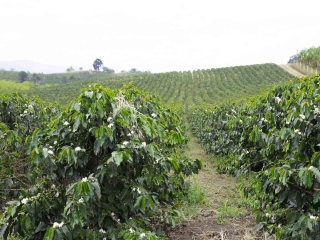
Ethiopia has the most diversified coffee planting system in the world, including forest coffee, semi-forest coffee, pastoral coffee and plantation coffee. 90% of the coffee in Ethiopia comes from pastoral, forest and semi-forest, but large-scale entrepreneurial cultivation in Ethiopia is indeed very rare.

Four major cultivation systems of Ethiopian coffee analyze in detail how Ethiopian coffee is cultivated.
Forest coffee (Forest Coffee): wild coffee, which accounts for 10% of Ethiopia's national output, is distributed in the wild coffee forest areas of the west and southwest, also known as the Kafa forest. The dense trees here provide the most natural shade for coffee trees and do not need manual care. Mother Earth is in charge of birth, aging, sickness and death, and coffee farmers can go directly to the woodland to harvest. Hansen
An introduction to the flavor characteristics of the nine boutique producing areas in Ethiopia
Nine boutique producing areas in Ethiopia: Yega Xuefei (boutique producing areas): 1800-2000 meters above sea level | Pastoral Coffee system | Yega Xuefei is affiliated to the Sidamo producing area, so it is separated separately because of its unique flavor. In addition to the small town of Yega Xuefei, it also includes three by-product areas around Wenago, Kochere, Gelena and Abaya. So the new Yega Xuefei

Ethiopia Yegashefi Chelba Chaloba Cooperative introduction Sun Yega detailed description
Professional barista exchanges please follow the coffee workshop (Wechat official account qianjiecoffee) Ethiopia is the country where coffee was first discovered, in terms of coffee quality and output, Ethiopia is still the most important producing country and the best, coffee is mostly the traditional Arabica species, the annual output is about 350000 tons and more than 70% are exported to countries around the world, about 15 million people in the country are engaged in coffee

Detailed Analysis of four cultivation Systems of Ethiopian Fine Coffee
According to the following four different modes of production, Ethiopian coffee can be divided into nine major coffee producing areas, including five boutique coffee areas: Sidamo, Yegashefi, Harald, Lim and Lekampidi, and four general commercial bean producing areas: Gemma, Irugbagbo, Tibby and Bekaa. The sun or water washing methods are used in each district, and different treatment methods also affect the flavor.

Yegashefi Aman Oman Smallholder Godibe Single Farm Introduction Yegashefi Coffee Flavor
Professional coffee knowledge exchange More coffee bean information Please pay attention to coffee workshop (Weixin Official Accounts cafe_style) According to Ethiopian laws, there are three coffee export systems: (1) the largest private processing plant system exported through ECX bidding; (2) cooperative system; (3) single farm system. In these three systems, cooperatives and single farms do not have to pass through
Introduction and description of the flavor and taste of Sidama coffee beans in Gedeo, Ethiopia
For the exchange of professional baristas, please pay attention to the coffee workshop (Wechat official account cafe_style) Ethiopia Sidamo-Gideo (Gedeo) sun beans Ethiopia is the country where coffee was first discovered and is the most important producer in terms of coffee quality and output. Coffee is mostly traditional Arabica species, with an annual output of about 350000 tons, more than 80% of which are exported to countries around the world.

Introduction and description of flavor and taste characteristics of sun-cured coffee beans in Haramasala region of Ethiopia
Professional barista exchanges please follow the coffee workshop (Wechat official account qianjiecoffee) Ethiopia is the country where coffee was first discovered, in terms of coffee quality and output, Ethiopia is still the most important producing country and the best, coffee is mostly the traditional Arabica species, the annual output is about 350000 tons and more than 70% are exported to countries around the world, about 15 million people in the country are engaged in coffee

Sidamo Lion King hand Chong parameters temperature grindability Powder / Water ratio recommended Flavor and taste description
For professional baristas, please follow the coffee workshop (Wechat official account cafe_style) Ethiopian name: Ethiopia location: East African Capital: Adis Abba Addis Ababa Religion: Christian main language: Amharic time Zone: GMT+3 Metrics: metric (Metric) currency: bill Birr (1 $20 birr) Agricultural products (Export): coffee, Flowers,

How is Ethiopian coffee traded? introduction to the price of Ethiopian coffee beans.
For more information on coffee beans, please follow coffee workshops (Wechat official account cafe_style) according to the Ethiopian decree, there are three coffee export systems, (1) the largest privately owned processing plant system for export through competitive ECX, (2) the cooperative system, and (3) the single farm system. In these three systems, cooperatives and single manors are not thorough.